
The Malta College of Arts, Science and Technology (MCAST) launched two strategies on Monday, 12 October, outlining how it will develop vocational education, strengthen industry links, and prepare students for changes in the world of work.

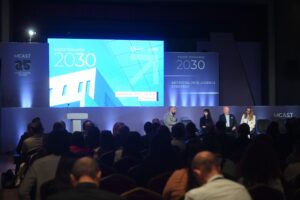
MCAST Vision Towards 2030 and MCAST AI Strategy: A Smarter College for Smarter Learning 2026–2030 were presented at the College’s Main Campus in Paola, bringing together students, educators, employers, and education-sector representatives. The launch also coincides with the College’s 25th anniversary, celebrating 50,000 College graduates since 2001.
The new strategic plan sets out eight objectives, including modernising teaching facilities, improving the student experience, expanding work-based learning, strengthening international partnerships and increasing applied research.
Specific measures include introducing more flexible courses and micro-credentials, embedding digital and AI literacy across programmes, training staff in emerging technologies and improving student support. The plan also calls for stronger monitoring of academic performance and College operations.

The strategies support Malta Vision 2050, especially its focus on skills, innovation and lifelong learning. They build on MCAST’s existing work with employers, whereby, by 2025, 66% of full-time students followed programmes including an apprenticeship, placement or internship.

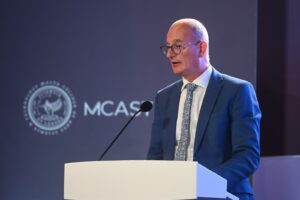
Speaking at the launch, MCAST Principal and CEO Stephen Vella said the College had a responsibility to prepare students for careers that would continue to change throughout their working lives.
“Our responsibility goes beyond preparing students for their first job. We need to give them the knowledge, practical skills and judgement to keep learning throughout their careers. Technology will change many professions, but people must remain at the centre of our decisions.”

Mr Vella said the College would continue to combine high educational standards with opportunities for students from different backgrounds.
“Inclusion does not mean lowering standards. It means giving more people the opportunity to reach them. We should not judge a person’s potential by where they started, but by what they can achieve.”
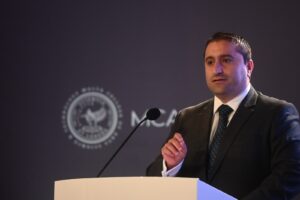
Matthew Vella, Permanent Secretary at the Ministry for Education and Sport, welcomed the launch and highlighted MCAST’s role in Malta’s national education strategy.
“Our aim is to build an education system that offers different pathways to success, responds to the needs of society and the economy, and supports lifelong learning. Vocational education is central to this vision, and MCAST has an important role in ensuring that education remains relevant, inclusive and responsive to change.”
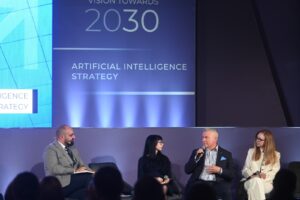
The event included two panel discussions. The first, ‘Vocational Education Reimagined: Pathways, Skills and Choices for the Future’, brought together student representative Amy Vella, MCAST Deputy Principal Ann Marie Cassar and National Skills Council Executive Chairperson Dr Jeffrey Pullicino Orlando. Dr Heathcliff Schembri moderated the discussion.

The second panel, ‘What is MCAST for? The Role of a Vocational College in 2030’, featured MCAST alumnus Anthony Debattista, Deputy Principal Dr Ing. Stephen Sammut, economist Marisa Xuereb, Aġenzija Żgħażagħ CEO Jason Zammit, academic and equality researcher Prof. Anna Borg and entrepreneur Mark Bajada. It was moderated by Dr Ivan De Battista.

The discussions addressed the value of vocational qualifications, changing employment needs, student opportunities, particularly placements and apprenticeships, and the College’s wider responsibilities to society.

Concluding the event, Horace Laudi, President of the MCAST Board of Governors, emphasised the importance of putting the plans into practice.
“The Board’s responsibility is to ensure that these commitments lead to improvements in teaching, student services and the way the College operates. We must use our resources responsibly, measure our progress and remain accountable to the students and communities we serve.”

The full MCAST Vision Towards 2030 and Artificial Intelligence Strategy are available on the College’s website.
Jekk tixtiequ taqraw l-artiklu bil-Malti, ghafas hawn



 MCAST Main Campus
  +356 2398 7100
 information@mcast.edu.mt