
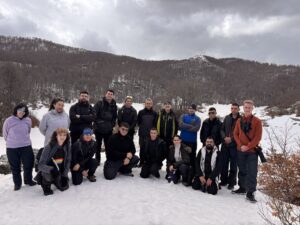
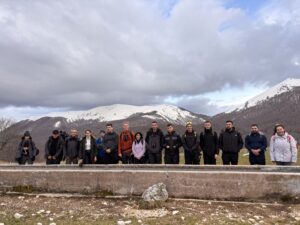
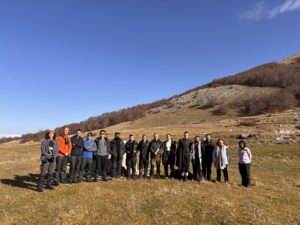
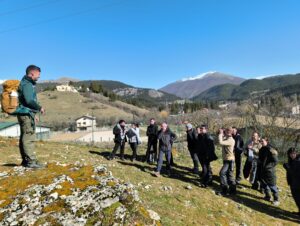
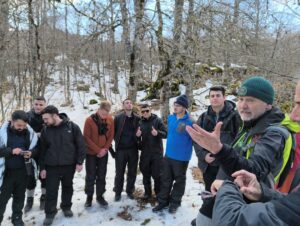
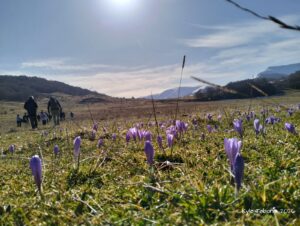
Students from the BSc (Hons) and MSc programs in Environmental Science at the Malta College of Arts, Science and Technology recently participated in an intensive field-based learning experience at the Abruzzo, Lazio and Molise National Park, one of Europe’s most ecologically significant protected areas.
This international field trip, which was funded by MCAST’s Erasmus+ Projects and Mobility Office, formed part of the Institute of Applied Science’s commitment to delivering applied, research-informed education within its environmental programmes, including the BSc (Hons) in Environmental Science and Sustainable Technology and the MSc in Environmental Engineering. The trip, organised by two lecturers within the environmental programmes within the IAS, Dr Eman Calleja and Mr Juan J. Bonello, provided students with a unique opportunity to translate classroom theory into real-world environmental practice.
Immersive environmental learning
Throughout the visit, students engaged in a range of academic and field-based activities designed to deepen their understanding of natural systems. These included the study of ancient forest ecosystems, where participants examined ecological succession, biodiversity and conservation strategies within minimally disturbed habitats.
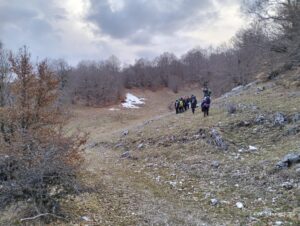
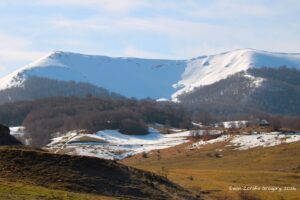
Students also observed mountain hydrological systems, studying freshwater sources and their role in sustaining ecosystems and regulating environmental balance. Fieldwork at Monte Mattorello further enabled students to explore high-altitude environments, focusing on habitat diversity, species distribution and ecological interactions.
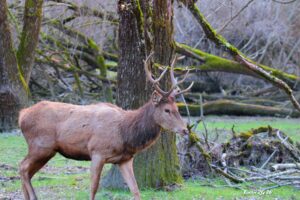
Additional activities within the Vetusta Forest of Pescasseroli, which is recognised as a UNESCO ancient forest, highlighted the importance of long-term conservation, habitat protection and the management of endangered and indicator species.
Raising awareness of environmental challenges
A particularly impactful component of the experience was a night hike, during which students were exposed to natural darkness in the absence of artificial lighting. This activity encouraged reflection on the often-overlooked issue of light pollution, allowing students to appreciate its ecological implications on wildlife and natural systems.
Preparing the next generation of environmental professionals
The lecturers who organised the activity, Dr Eman Calleja and Mr Juan J. Bonello, highlighted the importance of such initiatives in shaping competent and environmentally conscious graduates. They emphasised that field-based learning is central to the environmental programmes, as it enables students to develop critical skills, engage directly with ecosystems, and gain a deeper understanding of the real challenges associated with environmental management and conservation.
Why choose environmental studies at MCAST
The environmental programmes offered by the IAS at the Malta College of Arts, Science and Technology provide a dynamic blend of academic knowledge and hands-on experience, ensuring that students are well-prepared for the demands of the environmental sector. Through a strong emphasis on applied learning, students benefit from both local and international fieldwork opportunities which expose them to real-world environmental challenges and best practices in conservation.
These programmes support the development of key skills in environmental studies and monitoring, equipping graduates with the competencies required for careers in environmental consultancy, regulation, research, and sustainability, while fostering a strong sense of environmental responsibility and professional readiness.



 MCAST Main Campus
  +356 2398 7100
 information@mcast.edu.mt