
National vocational college brings together educators, researchers and policymakers to address the ethics, practice and transformation of AI in TVET
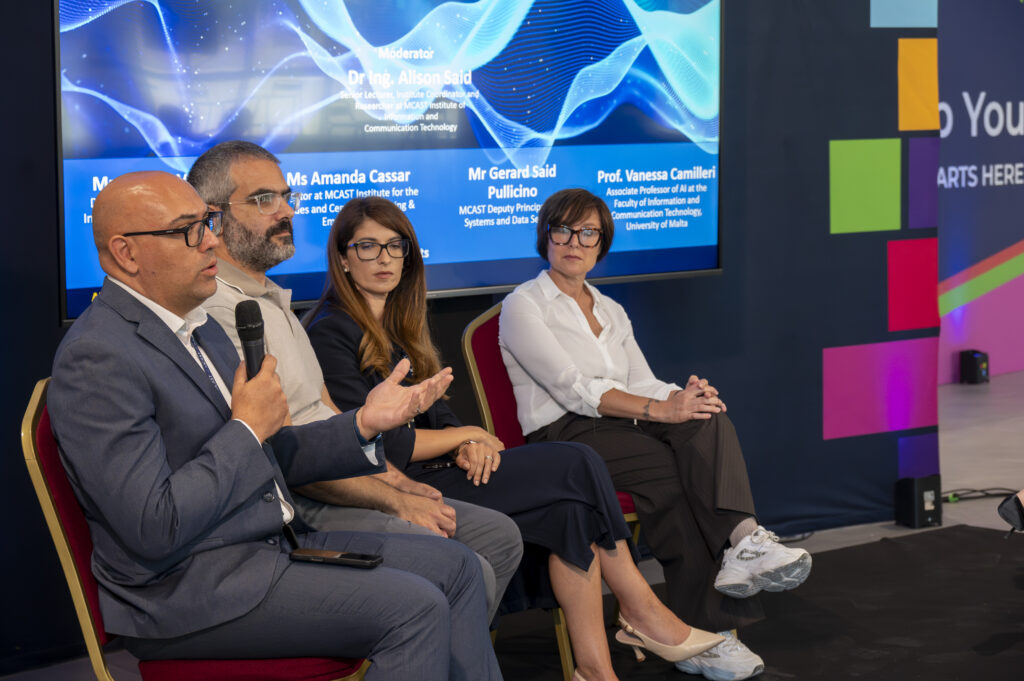 The Malta College of Arts, Science and Technology (MCAST) hosted its AI in Education: Ethics, Practice and TVET Transformation conference on 12 June 2026, bringing together educators, researchers, and policy experts from across Malta’s education sector to explore the growing impact of artificial intelligence on learning and vocational training.
The full-day event welcomed participants from a range of institutions including the University of Malta, the Institute of Tourism Studies, the Ministry for Education, the Institute for Education, Idea College, and several secondary schools — reflecting the cross-sector relevance of AI in contemporary education.
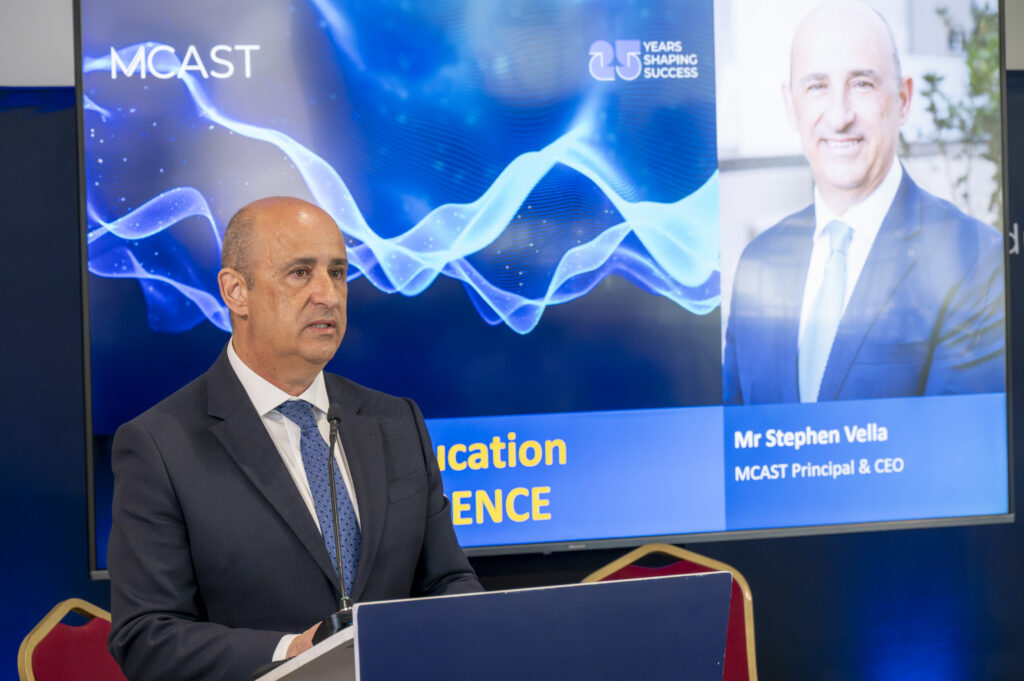 Opening the conference, MCAST Principal and CEO Mr Stephen Vella underscored the urgency of moving beyond curiosity and concern to take meaningful action in the classroom. “AI should be a catalyst for learning, not an inhibitor,” Mr Vella said. “Let us work together to ensure it serves the pursuit of human excellence in vocational and professional education.”
Mr Vella also drew a connection to wider societal questions, noting that students and families increasingly ask not only what to study, but whether the skills they acquire today will remain relevant in five years’ time. He emphasised that MCAST’s role extends beyond technical training to developing judgement, adaptability, and a sense of human responsibility — qualities that no technology can replace.
The conference programme featured a range of keynote addresses, a panel discussion, and practical breakout workshops:
Prof. Leonard Busuttil (University of Malta) examined the evolving relationship educators have with generative AI, charting a progression from curiosity to concern to meaningful change.
Mr Gavril Flores, Chief Strategy, Policy and Governance Officer at the Malta Digital Innovation Authority (MDIA), outlined the obligations and opportunities for educators operating within the framework of the EU AI Act.
Prof. Lalit Garg (University of Malta) called for a fundamental redesign of education systems for the AI era, advocating a shift from rigid standardisation towards mass customisation and human excellence.
A panel discussion moderated by Dr Ing. Alison Said brought together MCAST directors, senior lecturers and academic experts to examine how the TVET sector can lead workforce transformation while upholding human-centred ethics. Panellists included Mr Conrad Vassallo, Ms Amanda Cassar, Mr Gerard Said Pullicino, and Prof. Vanessa Camilleri.
The afternoon programme featured three breakout workshops led by MCAST lecturers, covering human-centred learning in AI-mediated environments, the creation of interactive classroom materials using generative AI, and a critical assessment of the risks and possibilities presented by large language models.
The conference was organised by Dr Ivan De Battista and Dr Cassandra Sturgeon Delia, both Senior Lecturers at MCAST, following a practitioner enquiry conducted through hands-on workshops with MCAST lecturers and students. Their research formed the foundation for the day’s discussions.
The event also featured a presentation on MCAST’s MSc AI Programmes, reflecting the college’s commitment to equipping the next generation of AI specialists and positioning Malta’s TVET sector at the forefront of technological and educational change.



 MCAST Main Campus
  +356 2398 7100
 information@mcast.edu.mt